What to Pack for a UTV Trip to Wildcat Off-Road Park

Packing for a UTV trip to Wildcat Off-Road Park is not about bringing everything you own. It is about bringing the right things, organizing them the right way, and making sure your group is ready for the kind of weekend you actually want to have.
A good packing list protects your ride day. It helps your group avoid forgotten gear, wasted time, uncomfortable riders, last-minute store runs, and preventable problems on the trail. Whether you are planning your first Wildcat trip or coming back with your regular crew, the goal is simple: ride more, stress less, and enjoy the full weekend.
Wildcat Off-Road Park is a real riding destination. That means your packing strategy should cover more than helmets and snacks. You need trail gear, safety basics, recovery items, weather layers, food, water, cabin supplies, machine-specific tools, and a plan for how your group will handle shared responsibilities.
Use this guide as a practical packing checklist before your next UTV, ATV, SXS, or off-road trip to Wildcat.
Quick Wildcat UTV Packing Checklist
Before you load the trailer, make sure your group has the basics covered.
Safety Gear
Helmet
Eye protection or goggles
Gloves
First-aid kit
Flashlight or headlamp
Fire extinguisher
Knife or multi-tool
Emergency contact information
Any required park passes, waivers, or paperwork
Recovery Gear
Tow strap
Soft shackles or D-rings
Winch controller
Tire plug kit
Portable air compressor
Basic tool kit
Zip ties
Duct tape
Spare belt if your machine uses one
Small shovel
Shop towels or rags
Ride Comfort
Water
Electrolyte drinks
Trail snacks
Sunscreen
Bug spray
Rain jacket
Extra socks
Light hoodie or jacket
Towels
Wet wipes
Sunglasses
Hat or beanie depending on weather
Navigation and Communication
Phone charger
Portable battery pack
Offline map or trail map
Two-way radios if your group uses them
Mount for phone or GPS
Charging cords for every device
Emergency meeting point for the group
Cabin and Basecamp Gear
Coolers
Easy meals
Paper towels
Trash bags
Extra clothes
Shower items
Muddy gear bags
Boots or extra shoes
Chargers
Comfortable clothes for after the ride
Food and drinks for the group
Storage totes or bags for organizing gear
Group Planning Items
Who is bringing tools?
Who is bringing recovery gear?
Who is bringing food?
Who is bringing coolers?
Who is bringing extra water?
Who has the first-aid kit?
Who has the trail map?
Who is responsible for checking the machines before leaving?
A good Wildcat packing list is not just about what one person brings. It is about making sure the whole group is covered.

Start With the Real Job: Protect the Weekend
Most people search for a UTV packing list because they do not want to forget something important. But the real job is bigger than that.
You are not just packing gear. You are trying to protect the weekend.
You want your group to arrive prepared. You want the machines ready. You want riders comfortable. You want food, water, tools, recovery gear, and cabin supplies handled before the trip starts. You want fewer surprises, fewer delays, and less stress once everyone gets to Wildcat.
That is why this list is organized by purpose instead of just throwing everything into one giant pile. Some items protect the rider. Some protect the machine. Some protect the group. Some make the cabin stay easier. Some help everyone recover after a long day on the trails.
When you pack with the full weekend in mind, your trip feels smoother from the moment you arrive.
Safety Gear Should Be Packed First
Safety gear should be the first category on your Wildcat packing list. It is easy to get excited about coolers, tools, and trail snacks, but safety gear is what protects the ride before anything goes wrong.
Start with helmets, goggles or eye protection, gloves, and basic first-aid supplies. Every rider should know what they are personally responsible for bringing. Do not assume someone else packed extra gloves, goggles, or medical supplies. Group trips create a lot of false assumptions, and false assumptions are how important items get left at home.
A basic first-aid kit should be easy to reach, not buried under luggage or coolers. Include bandages, antiseptic wipes, pain reliever, allergy medicine, tweezers, and any personal medication riders may need. Add a flashlight or headlamp because problems do not always happen in perfect daylight.
You do not need to pack like you are crossing the country. However, you do need enough safety gear to handle the normal issues that can happen during a full day of riding.
Safety gear is not the most exciting part of the trip, but it is one of the most important.
Pack Recovery Gear Like Cheap Insurance
Recovery gear is one of the highest-value things you can bring on a UTV trip. You may not need it every ride, but when you do need it, you will be glad it is there.
At a minimum, your group should have a tow strap, tire plug kit, portable air compressor, basic tools, zip ties, duct tape, and a plan for how you will handle small problems. If your machine uses a belt, consider packing a spare belt and the tools needed to change it. If your group rides harder trails, mud, rocks, or rough sections, recovery gear becomes even more important.
The point is not to rebuild a machine on the trail. The point is to avoid losing half a day over something simple.
A flat tire, loose part, dead battery, broken belt, or stuck machine can quickly change the mood of the trip. Recovery gear keeps small problems from becoming weekend-ending problems.
It also improves confidence. Groups ride more calmly when they know they can handle basic issues. That does not mean riding recklessly. It means the group is prepared instead of helpless.

Bring More Water Than You Think You Need
Water is one of the easiest things to underpack. Riders often think about fuel, food, and gear before they think about hydration. However, a long trail day can wear people down fast, especially when the weather is warm, dusty, humid, or physically demanding.
Bring more water than you think your group will drink. Add electrolyte drinks or packets if you will be riding for several hours. Keep some water in the vehicle, not just back at the cabin. Riders should not have to return to basecamp every time someone gets thirsty.
Snacks also matter more than people realize. Trail days do not always follow the schedule. Lunch may run late. The group may ride longer than planned. Someone may start fading. Simple snacks can keep the day moving and keep the group in a better mood.
Good trail snacks include beef jerky, protein bars, trail mix, crackers, fruit, nuts, and other easy food that does not require cooking.
Hydration and snacks are not luxury items. They are low-cost ways to make the whole ride better.
Pack for Kentucky Weather, Not Wishful Thinking
Kentucky weather can shift enough to make your clothing choices matter. A morning can start cool, turn warm, get windy, and then become damp or muddy later in the day.
That does not mean you need to overpack. It means you should pack useful layers.
Bring a rain jacket, hoodie, extra socks, gloves, and a dry change of clothes. If there is any chance of rain or mud, bring a plan for wet gear. Trash bags, gear bags, or plastic totes can keep muddy clothes and boots from taking over your vehicle or cabin.
Extra socks are one of the most underrated items on a riding trip. Wet feet can make a rider miserable. A dry pair of socks takes almost no space and can completely change someone’s comfort level.
Pack clothing that gives you options. The goal is not to have five outfits for every possible condition. The goal is to keep riders comfortable enough to enjoy the full day.
Think Through Your Machine-Specific Gear
Every UTV is different. That means your packing list should include items that match your machine, not just a generic off-road checklist.
Think about what commonly goes wrong with your machine. Do you need a spare belt? Specific tools? Tire plugs? A certain socket size? Extra fuses? Fluids? A jump pack? A winch controller? A special key or security item?
The best packing list is built around the machine you actually ride.
Before leaving for Wildcat, do a basic machine check. Look at the tires, fluids, belt condition, battery, lights, brakes, winch, and any accessories you rely on. Make sure your tools actually fit your machine. A tool kit that cannot remove the parts you need is not very useful.
Also check your trailer, straps, and loading setup. A trip can go wrong before you ever get to the trail if the trailer gear is not ready.
A prepared rider thinks beyond the ride itself. They think about loading, hauling, unloading, riding, repairing, cleaning, and getting home.

Separate Trail Gear From Cabin Gear
One of the best ways to pack smarter is to separate trail gear from cabin gear.
Trail gear should stay with the machine or be easy to grab before the ride. This includes water, snacks, recovery gear, first aid, weather layers, phone chargers, radios, maps, and small tools.
Cabin gear should stay at basecamp. This includes big coolers, extra clothes, shower supplies, larger food items, cooking gear, spare towels, backup tools, and comfort items for after the ride.
When everything is mixed together, the group wastes time digging through bags and coolers. People forget what is in the UTV and what stayed back at the cabin. That creates clutter, confusion, and frustration.
A simple system works better.
Use one tote for trail gear. Use another tote for cabin supplies. Keep muddy gear separate from clean clothes. Keep food organized. Keep tools where everyone knows to find them.
The more organized your group is at basecamp, the smoother your ride days will feel.
Group Packing Saves Time, Space, and Money
If you are riding with a group, not everyone needs to bring the same things. Five riders do not need five giant tool kits, five air compressors, five coolers, and five sets of duplicate supplies.
What the group needs is a plan.
Before the trip, decide who is bringing shared recovery gear, tools, food, coolers, water, cooking supplies, paper products, and cabin items. Make sure everyone knows what they are responsible for.
This is especially important for cabin weekends. When the group returns to the same basecamp each night, shared supplies make more sense. You can reduce clutter, save space, and avoid buying the same items over and over.
A simple group text can solve a lot of problems before the trip starts.
Ask questions like:
Who has the tow strap?
Who has the first-aid kit?
Who is bringing the air compressor?
Who is bringing extra drinking water?
Who has paper towels and trash bags?
Who is bringing food for the first night?
Who has chargers and extension cords?
Who is checking trail conditions and park info?
Groups that communicate before the trip usually have better weekends. They unload faster, ride sooner, and spend less time solving problems that could have been handled at home.
Do Not Forget After-Ride Comfort
A lot of UTV packing lists focus only on the trail. That is a mistake.
The ride is only part of the weekend. After the ride, people want to clean up, eat, relax, dry out, change clothes, charge devices, and hang out with the group. If you only pack for the trail, the rest of the weekend can feel messy and uncomfortable.
Bring comfortable clothes for after riding. Bring shower items, towels, extra shoes, and bags for dirty clothes. If you know your group will be muddy, plan for mud before it becomes a problem.
Helpful after-ride items include:
Extra towels
Trash bags
Laundry bags
Dry shoes
Slides or sandals
Comfortable hoodie
Phone chargers
Extension cords
Wet wipes
Paper towels
Cooler drinks
Easy dinner options
Ibuprofen or basic medicine
Small speaker if appropriate
Camp chairs if your lodging does not provide enough seating
After-ride comfort matters because tired riders make the lodging experience better or worse. When people can clean up, relax, and reset, the whole trip feels more enjoyable.

Pack for Mud Management
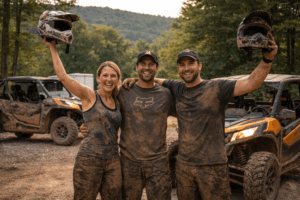
A Wildcat riding weekend can get muddy. Even if the weather is decent, trails, machines, boots, and gear can still bring dirt and mud back to basecamp.
Plan for it.
Bring towels you do not mind getting dirty. Bring bags or totes for muddy clothes. Bring extra shoes so riders are not wearing muddy boots inside. Bring wipes, paper towels, and trash bags. If your group has expensive gear, bring a way to keep wet and dry items separated.
Mud management is not glamorous, but it makes a huge difference.
A group that has no mud plan ends up with dirty vehicles, dirty rooms, wet clothes, and gear scattered everywhere. A group with a simple mud plan keeps the mess contained.
Even something as basic as a “muddy gear tote” can help. Put boots, gloves, wet clothes, and dirty items in one spot instead of letting them spread across the cabin or vehicle.
This is one of those small trip details that guests appreciate more after the ride than before it.
What to Keep in the UTV During the Ride
Your UTV should carry the items you may need while away from basecamp. Do not overload it with everything, but do not leave essential items back at the cabin either.
Good in-vehicle items include:
Water
Snacks
First-aid kit
Tow strap
Tire plug kit
Portable air compressor
Basic tools
Gloves
Rain jacket
Extra layer
Flashlight
Phone charger
Portable battery pack
Trail map or offline map
Radio if your group uses one
Zip ties
Duct tape
Small trash bag
Knife or multi-tool
Think about what would be annoying, unsafe, or time-wasting to not have during the ride. Those are the items that belong in the vehicle.
The cabin can hold the rest.
What to Leave at the Cabin or Basecamp
Basecamp gear should support the full weekend without cluttering the ride.
Good cabin or basecamp items include:
Large coolers
Extra food
Extra clothes
Shower supplies
Extra towels
Backup shoes
Larger tool kit
Extra fluids
Cleaning supplies
Paper towels
Trash bags
Phone chargers
Extension cords
Cooking supplies
Comfortable clothes
Muddy gear storage
Extra blankets or pillows if needed
Group food and drinks
The cabin or lodging setup matters because it becomes the reset point between rides. A good basecamp helps your group organize gear, clean up, eat, relax, and prepare for the next day.
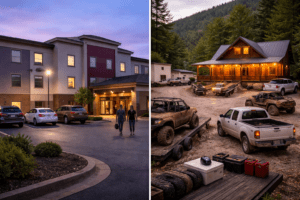
That is why rider-focused lodging is different from a generic place to sleep. Off-road groups need parking, gear space, gathering areas, mud-friendly thinking, and enough room for people to spread out after a long day.
Pack Around the Type of Trip You Are Taking
Not every Wildcat trip is the same. Your packing list should match the kind of weekend you are planning.
First-Time Wildcat Trip
If this is your first time riding Wildcat Off-Road Park, focus on being prepared without overcomplicating the trip. Bring safety gear, water, snacks, recovery basics, trail information, and comfortable layers. Give yourself extra time for unloading, checking in, finding your way around, and learning the area.
First-time riders should avoid packing in a rush. The more new the destination feels, the more useful preparation becomes.
Weekend Group Ride
For a weekend group ride, coordination matters more. Decide who is bringing shared gear, food, coolers, tools, and recovery equipment. Make sure everyone knows where the group is staying, when you are arriving, and what the ride plan looks like.
Group trips are fun, but they can get chaotic fast without communication.
Mud-Focused Ride
If your group likes mud, bring extra clothing, towels, wipes, boots, trash bags, and gear storage. Plan for cleanup before you need cleanup. Mud can be part of the fun, but it should not take over the entire cabin or vehicle.
Family or Mixed-Experience Ride
If your group includes newer riders, passengers, or family members, pack extra comfort items. Bring more water, snacks, layers, and patience. Make the trip enjoyable for the least experienced person in the group, not just the most aggressive rider.
Longer Stay
If you are staying multiple nights, think beyond the first ride. Bring enough clean clothes, food, charging options, and recovery supplies for the full stay. Also consider what your group will do in the evenings after the machines are parked.

The Most Commonly Forgotten UTV Trip Items
The items riders forget are usually not dramatic. They are small things that become important at exactly the wrong time.
Here are some of the most commonly forgotten items:
Extra socks
Extra gloves
Goggles or eye protection
Phone charger
Portable battery pack
Towels
Wet wipes
Trash bags
Zip ties
Duct tape
First-aid items
Pain reliever
Allergy medicine
Sunscreen
Bug spray
Rain jacket
Dry shoes
Muddy clothes bag
Spare key
Flashlight
Cash or card
Trail map
Cooler ice
Paper towels
Toilet paper or backup hygiene supplies
Extra straps for hauling
Air compressor
Tire plug kit
Winch controller
These items are not exciting, but they are the difference between “we handled it” and “we should have packed better.”
A Simple Day-Before-Trip Checklist
The day before your Wildcat trip, do one final check. This does not have to take long, but it can save the weekend.
Check the UTV fluids
Check tire pressure
Check trailer tires
Check straps and tie-downs
Charge radios
Charge phones
Charge battery packs
Pack helmets and goggles
Pack first-aid kit
Pack recovery gear
Load tools
Fill coolers
Buy ice
Pack water
Pack snacks
Confirm lodging details
Confirm arrival time with the group
Confirm who is bringing shared items
Save maps or directions
Check the weather
Check park information
Put spare keys in a safe spot
Do not leave all of this for the morning of the trip. The morning is when people are tired, rushed, and more likely to forget something.
A calm day-before check makes the entire trip start better.
Build a Better Basecamp System
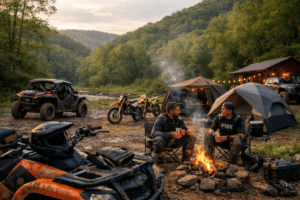
The best Wildcat weekends usually have a good basecamp system. That does not mean fancy. It means organized.
When your group arrives, unload with a plan. Put coolers in one area. Put muddy gear in one area. Keep clean clothes separate. Decide where tools go. Decide where helmets and boots go. Keep chargers together. Keep trash bags visible. Keep shared food organized.
This makes the cabin stay better for everyone.
A basecamp is more than a place to sleep. For off-road riders, it is where the group resets. It is where riders clean up, cook, talk about the day, plan the next ride, fix small issues, and relax.
That is why Wildcat Backwoods is being built around rider weekends instead of generic cabin stays. Off-road groups need room for trailers, gear, coolers, machines, tools, muddy clothes, and people. The better the basecamp works, the better the whole trip feels.
Packing Helps You Ride More and Stress Less
The reason packing matters is not because riders love lists. Packing matters because it gives the group more time and energy for the actual trip.
When you forget recovery gear, you lose time.
When you forget water, riders get worn down.
When you forget layers, weather becomes a bigger problem.
When you forget chargers, communication gets harder.
When you forget towels and dry clothes, the cabin gets uncomfortable.
When nobody coordinates group gear, everyone assumes someone else handled it.
A smart packing list reduces friction.
That is the real goal. Less friction. More riding. Better evenings. Fewer preventable problems. A smoother group experience from arrival to checkout.

Helpful Packing Strategy: Pack by Category
Instead of walking around the house randomly grabbing items, pack by category.
Use this system:
Rider Gear
Helmet, goggles, gloves, clothing, boots, rain layer, socks, personal items.
Machine Gear
Tools, spare belt, tire repair, air compressor, winch gear, fluids, straps, machine-specific parts.
Trail Gear
Water, snacks, first aid, recovery gear, maps, radios, chargers, weather layers.
Cabin Gear
Food, coolers, towels, shower items, dry clothes, chargers, trash bags, paper towels, comfort items.
Group Gear
Shared tools, cooking supplies, coolers, recovery gear, extra water, evening hangout items.
Packing by category helps you see gaps before you leave home.
Wildcat UTV Packing FAQ
What should I pack first for a Wildcat UTV trip?
Start with safety gear, recovery gear, water, snacks, weather layers, and machine-specific basics. These are the items that protect the ride day and keep small problems from becoming major issues.
Do I need recovery gear at Wildcat Off-Road Park?
Yes. Even if your group does not plan to ride aggressively, recovery gear is smart to have. A tow strap, tire plug kit, air compressor, basic tools, and zip ties can save a lot of time.
What should I keep in the UTV during the ride?
Keep water, snacks, first aid, recovery gear, weather layers, chargers, communication items, and basic tools in the vehicle. Leave bulky cabin supplies back at basecamp.
What should my group coordinate before the trip?
Decide who is bringing tools, recovery gear, coolers, food, water, first aid, chargers, and shared cabin supplies. Group packing only works when everyone knows who is responsible for what.
Should I bring extra clothes for a Wildcat riding weekend?
Yes. Bring dry clothes, extra socks, backup shoes, and something comfortable to wear after riding. Mud, rain, dust, sweat, and long trail days can make extra clothing very useful.
How do I keep the cabin cleaner after riding?
Bring trash bags, muddy gear bags, extra towels, dry shoes, and a simple plan for where dirty boots and clothes go. Keeping mud contained makes the whole stay more comfortable.
Final Thoughts
Packing for a UTV trip to Wildcat Off-Road Park gets easier when you stop thinking about random items and start thinking in categories.
You need safety gear to protect riders.
You need recovery gear to protect the ride day.
You need water and snacks to protect energy.
You need weather layers to protect comfort.
You need machine-specific tools to protect your equipment.
You need cabin supplies to protect the full weekend experience.
You need group communication to protect everyone from assumptions.
The best packing list is not the biggest one. It is the one that helps your group ride longer, relax better, and avoid preventable problems.
Before your next Wildcat trip, use this guide to pack smarter, organize your group, and build a better basecamp experience from the start.
Because the best off-road weekends usually are not accidents.
They are planned just enough to let everyone enjoy the ride.
Quick Wildcat UTV Packing Checklist
The Wildcat Rider Guide Blog
Should You Stay at Wildcat Off-Road Park or in a Cabin Nearby? 11 Things Most Riders Don’t Consider
Should You Stay at Wildcat Off-Road Park or in a Cabin Nearby? 11 Things Most Riders Don’t Consider If you’re planning a trip to Wildcat
Best Trails at Wildcat Off-Road Park
Best Trails at Wildcat Off-Road Park The best trails at Wildcat Off-Road Park are not only about difficulty. They are about experience. A great Wildcat
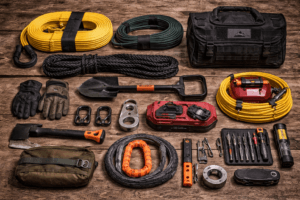
What to Pack for a UTV Trip to Wildcat
What to Pack for a UTV Trip to Wildcat Off-Road Park Packing for a UTV trip to Wildcat Off-Road Park is not about bringing everything
Wildcat Off-Road Park Beginner Guide
Wildcat Off-Road Park Beginner Guide Wildcat Off-Road Park can be a great place for beginners if the first trip is approached the right way. The
The Ultimate Wildcat Off-Road Park Trip Planning Guide
The Ultimate Wildcat Off-Road Park Trip Planning Guide A good Wildcat Off-Road Park trip rarely happens by accident. The best weekends come from smart planning
Where to Stay Near Wildcat Off-Road Park
Where to Stay Near Wildcat Off-Road Park Where you stay near Wildcat Off-Road Park has a bigger effect on the trip than most first-time visitors