The Ultimate Wildcat Off-Road Park Trip Planning Guide
A good Wildcat Off-Road Park trip rarely happens by accident. The best weekends come from smart planning before the truck ever leaves the driveway. That does not mean overcomplicating the trip. It means thinking ahead about group size, riding goals, gear, trail expectations, weather, food, fuel, and where the crew will stay. When those things line up, the weekend feels smooth instead of scattered.
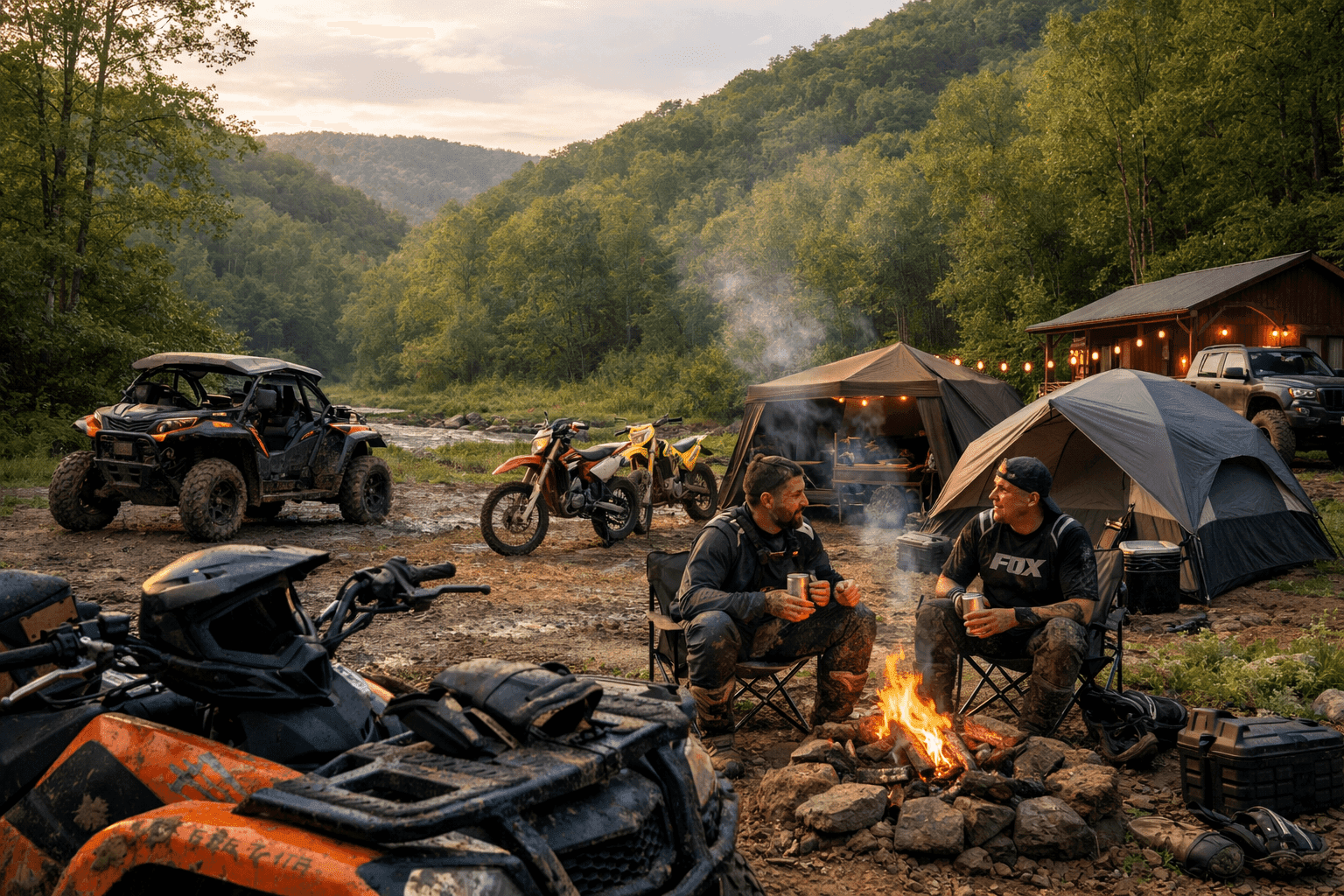
Decide What Kind of Weekend You Actually Want
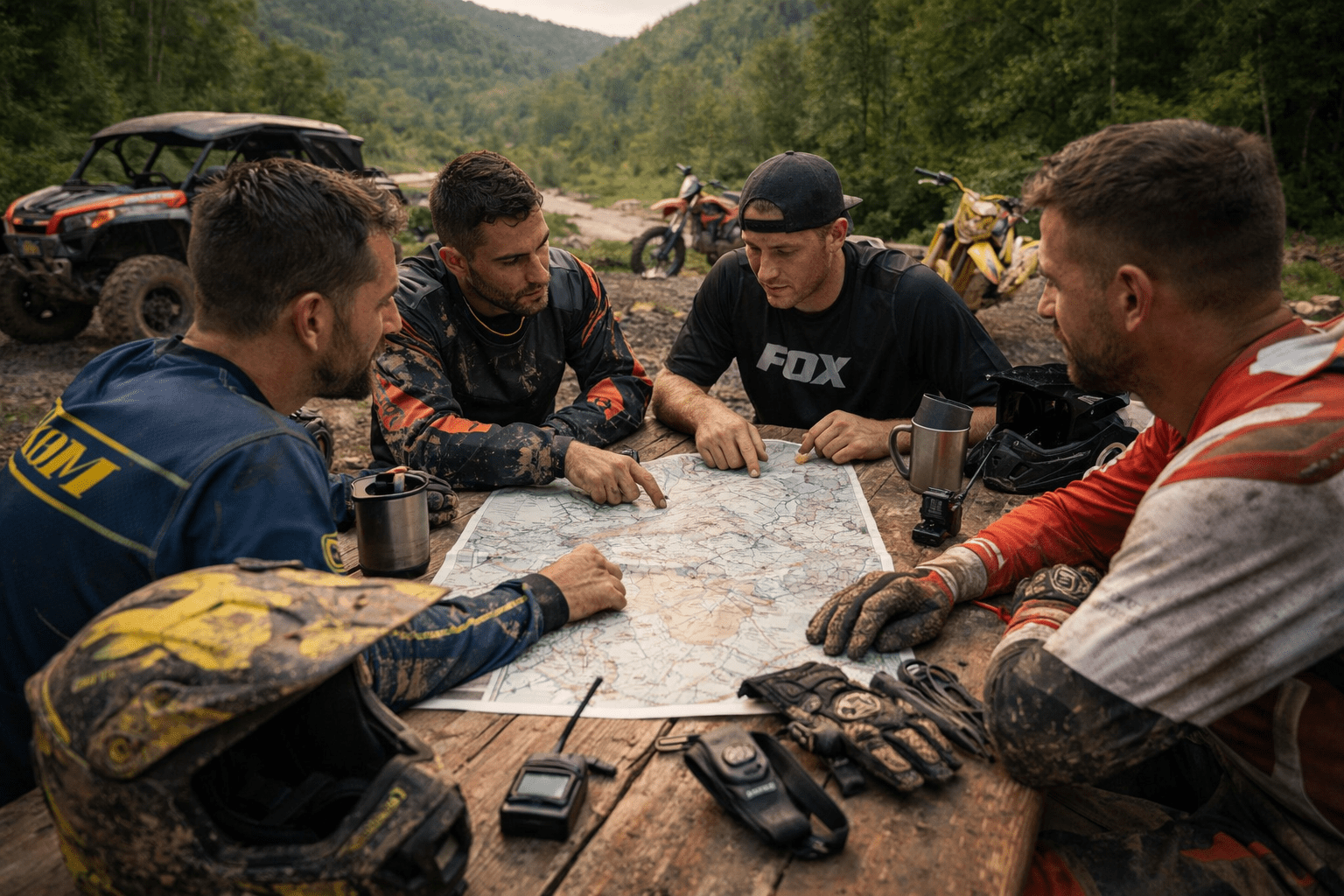
Start by deciding whether the weekend is supposed to be scenic, aggressive, social, family-oriented, or a little of each. Many groups skip this step and end up with mismatched expectations. One rider wants ridge views and easy cruising. Another wants mud and technical climbs. Another mainly wants a comfortable place to hang out after dark. None of those preferences are wrong, but they should be discussed before the trip.
When you define the weekend clearly, the rest of the decisions follow more easily. The right lodging becomes more obvious. The gear list gets more realistic. The trail plan feels more aligned. Even food and timing decisions become easier because the group is working from the same picture.
This is especially important for Wildcat because it attracts different kinds of riders. A broad-appeal park is a strength, but it also means the group has to choose its style rather than drift into one.
Pick the Right Group Size and Group Mix
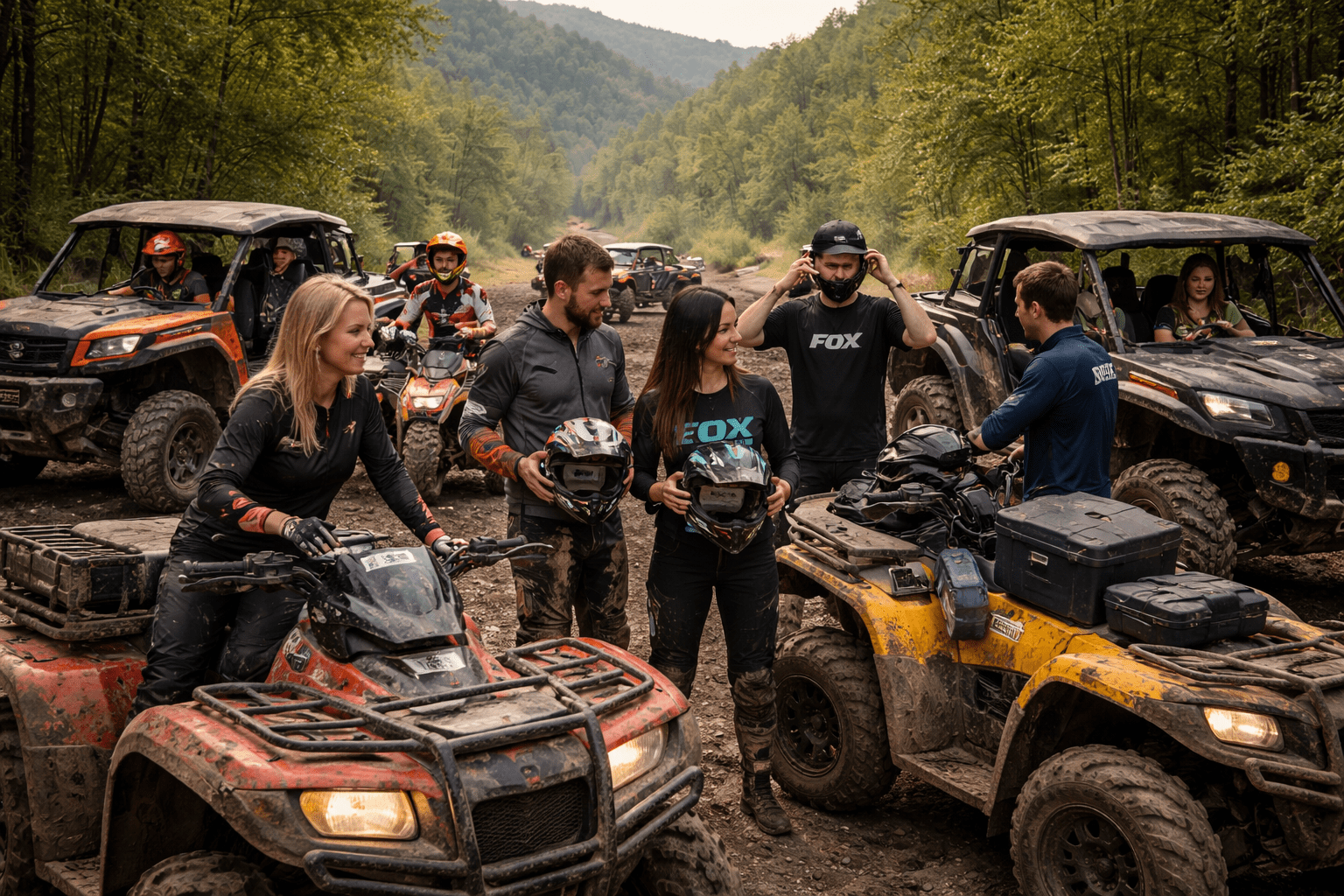
A trip with two machines is very different from a trip with eight. Larger groups can be more fun, but they also move slower, need more parking, require more communication, and create more opportunities for small frustrations. If you are leading the trip, be honest about what size group you can coordinate well.
The skill mix matters too. A group of experienced riders can make different decisions than a group that includes beginners or families. One of the smartest strategies is to build the weekend around the least experienced or least comfortable rider, at least early in the trip. That keeps confidence up and prevents the weekend from becoming stressful too quickly.
Wildcat weekends usually feel better when the crew is small enough to stay coordinated but large enough to keep the social energy strong.
Map Out Arrival, Parking, and Friday Night Flow
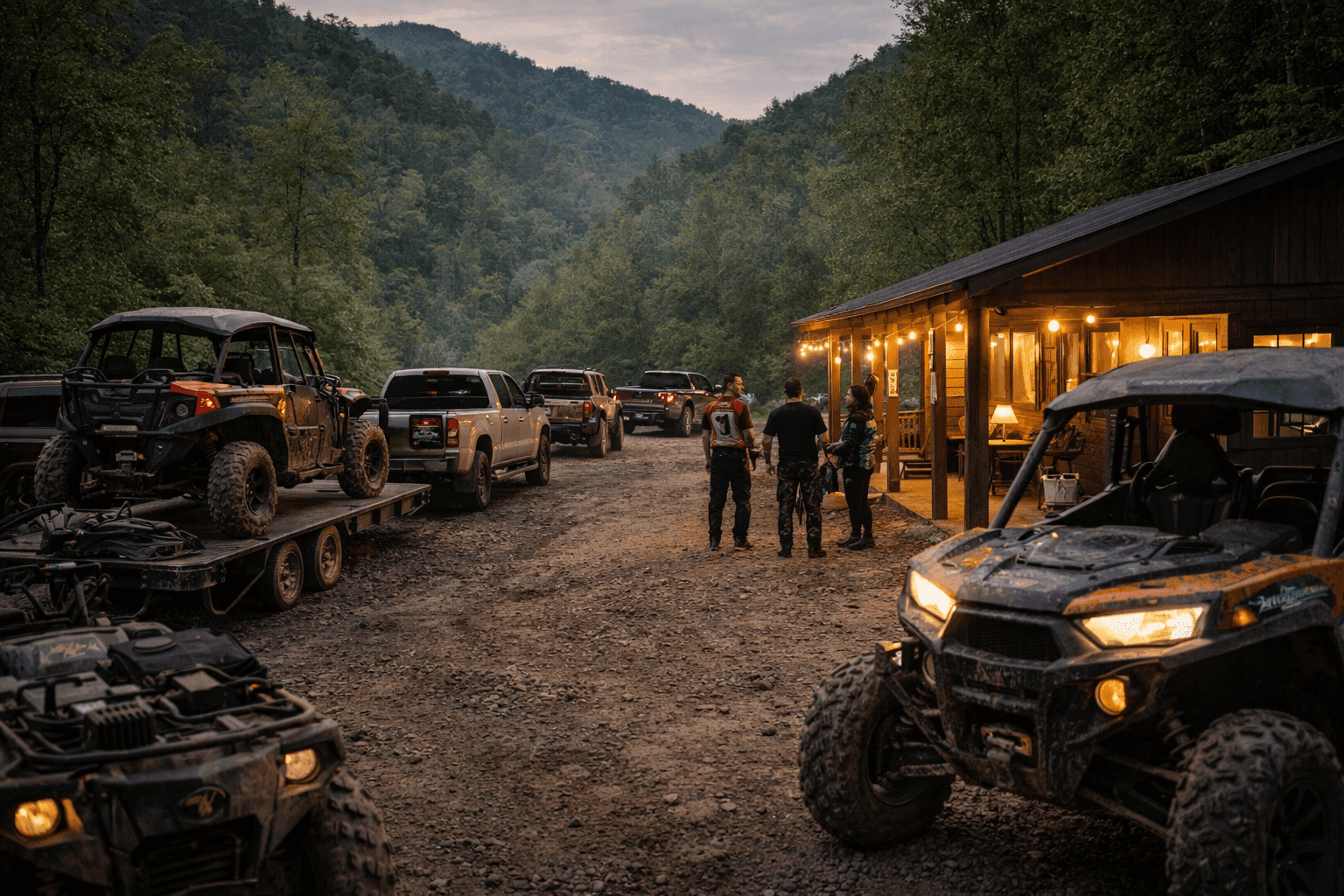
Friday evening can set the tone for the whole trip. If the arrival is chaotic, the weekend starts with friction. If it is simple, everyone settles in faster and wakes up in a better mood. That means confirming parking before the trip, making sure the route to the property is easy, and having a loose plan for who arrives when.
Late-night arrival is common for Wildcat riders coming from outside Laurel County KY, so simplicity matters. You want a property where the trailer can be parked without a ten-minute backup performance, and where unloading can happen without a debate about where everything goes.
The best Friday strategy is usually: arrive, unload only what matters, eat something easy, and do the rest in the morning. Overcomplicating Friday is one of the fastest ways to start tired.
Build a Realistic Saturday Ride Plan
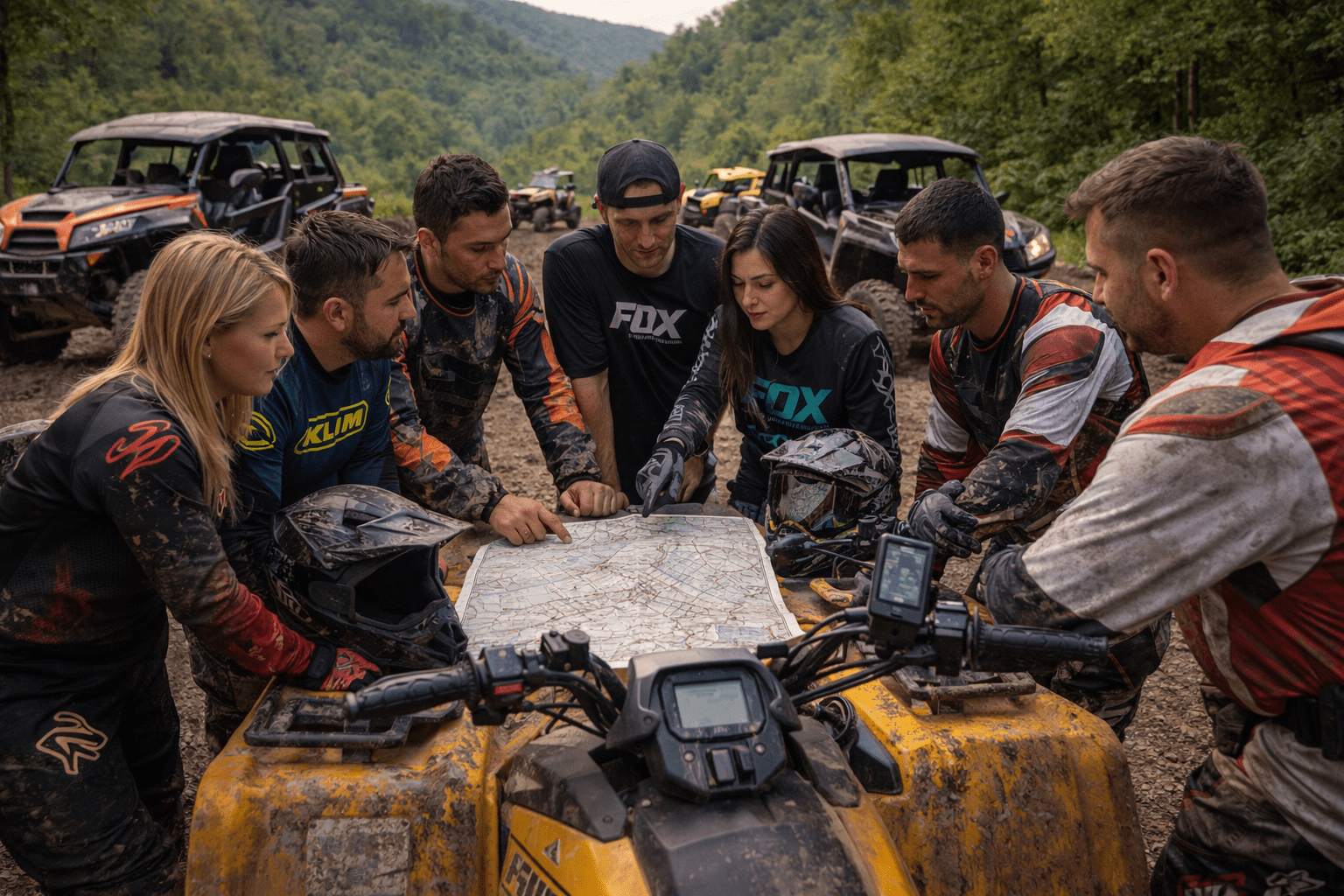
Saturday is usually the main ride day, which means it deserves the clearest plan. Start with a broad trail approach rather than trying to script every turn. Most groups do best when they begin with something scenic or moderate, get comfortable, and only then decide whether to push harder into muddier or more technical terrain.
You also want checkpoints in the day. Decide ahead of time when to stop for lunch, when to reassess energy, and what happens if the group splits on difficulty. These choices sound small, but they prevent mid-day confusion and help keep everybody engaged.
A realistic ride plan gives the group enough structure to stay coordinated without making the day feel rigid.
Gear, Food, and Fuel Planning
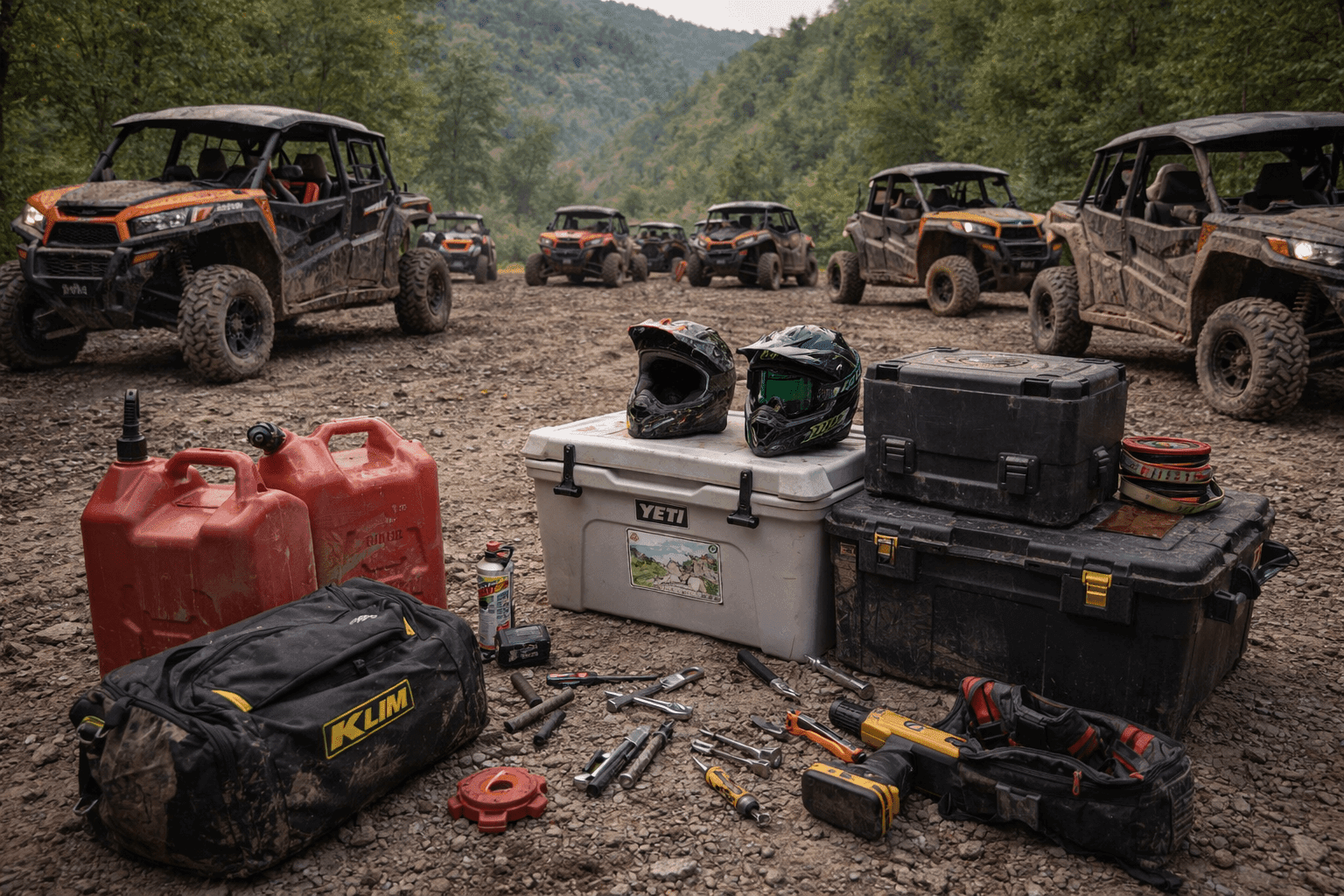
Trip planning breaks down fast when basic supplies are forgotten. Think through helmets, gloves, layers, tools, recovery straps, chargers, water, snacks, coolers, and fuel planning before the trip. A little redundancy is helpful. A forgotten tow strap or missing cooler can affect the whole group, not just one rider.
Food planning deserves more attention than many groups give it. Decide whether the cabin will be used for cooking, whether you will eat out, or whether meals will be a mix. Having a rough plan keeps people from wasting time debating dinner after a long trail day.
Fuel matters for both the ride and the haul. Know where the group will top off before heading in, and know who is bringing extra fuel if needed.
Weather, Mud, and Flexibility
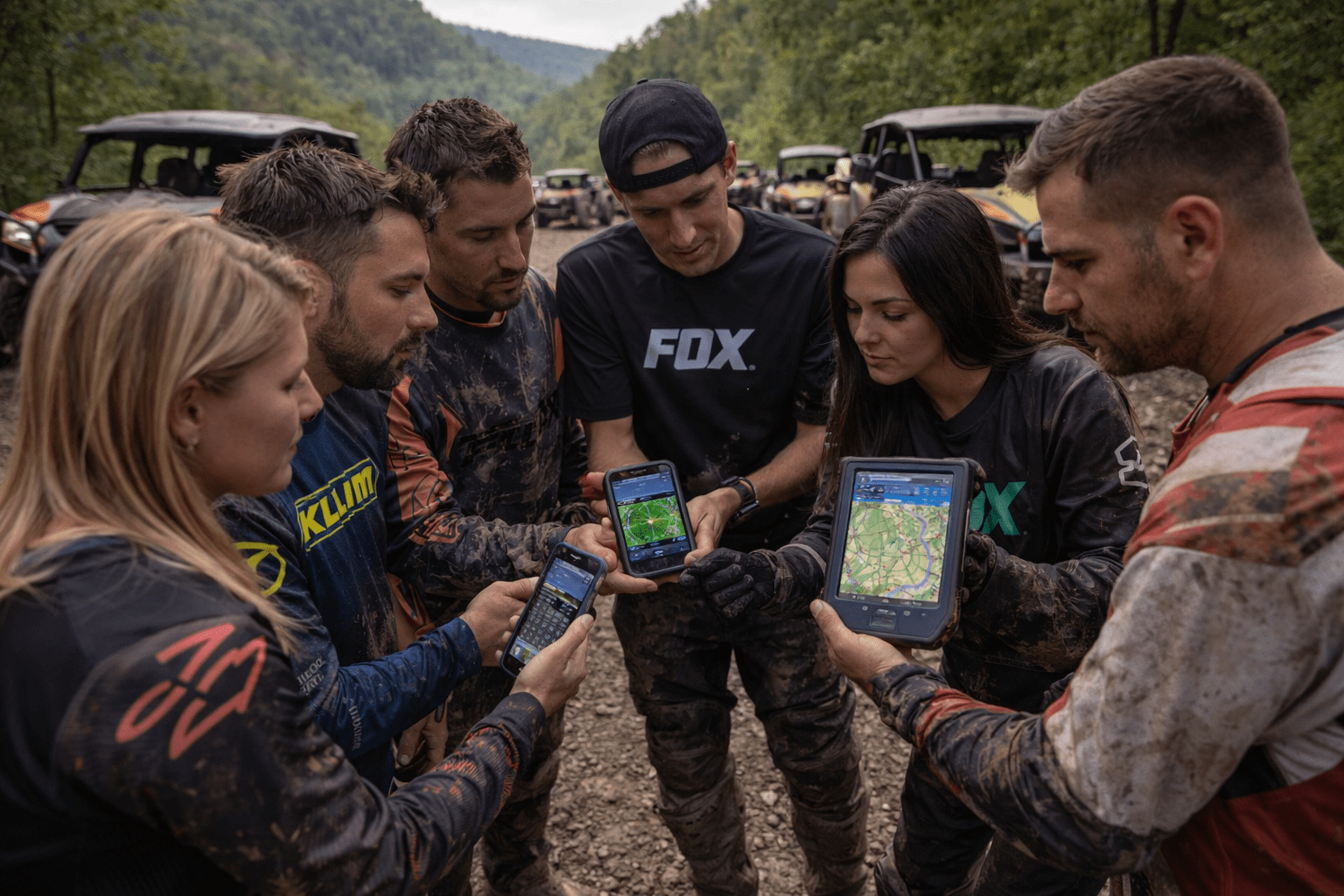
Wildcat trip planning should always include a weather mindset. Conditions can change quickly, and a good group adapts rather than pretending the original plan has to stay fixed. Wet conditions may make some sections more fun, but they can also make the day slower and more tiring.
Instead of seeing flexibility as a compromise, treat it as part of the plan. Bring the right gear for wet conditions, build a looser trail strategy, and keep the mood centered on enjoying the weekend rather than forcing an exact outcome.
A flexible group usually gets more out of the park than a rigid one because they work with the conditions instead of fighting them.
Lodging as the Center of the Weekend
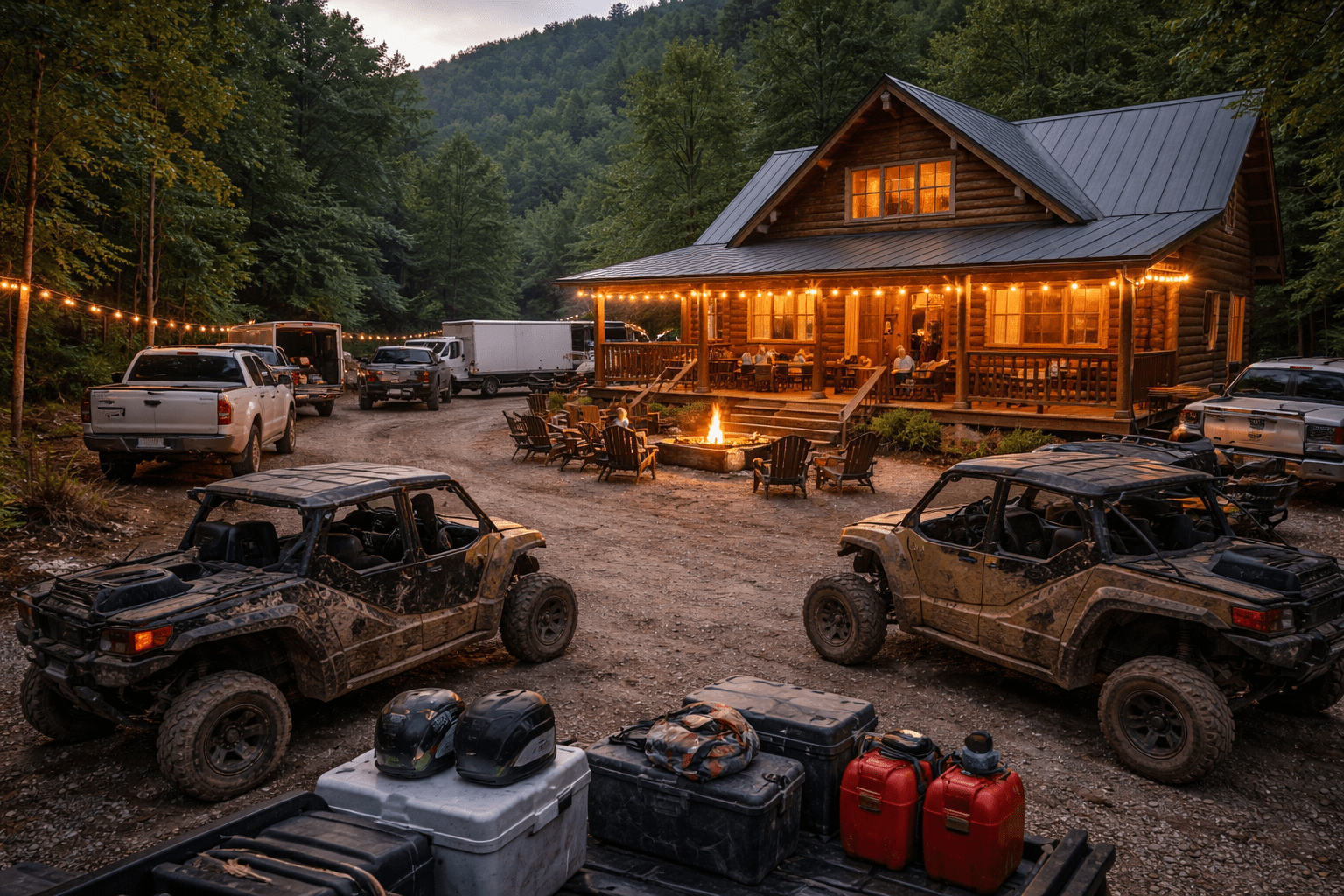
The right lodging is one of the strongest trip-planning decisions you can make. A good cabin does not only solve parking. It gives the group a basecamp. That means mornings feel calmer, evenings feel better, and the weekend has a clear center rather than being scattered between trail access and generic lodging.
This matters most for groups staying more than one night. A rider-friendly property supports food prep, gear organization, and social time, all of which improve the emotional side of the trip.
For deeper lodging strategy, pair this guide with Where to Stay Near Wildcat Off-Road Park.
How to Make Sunday Useful Instead of Rushed
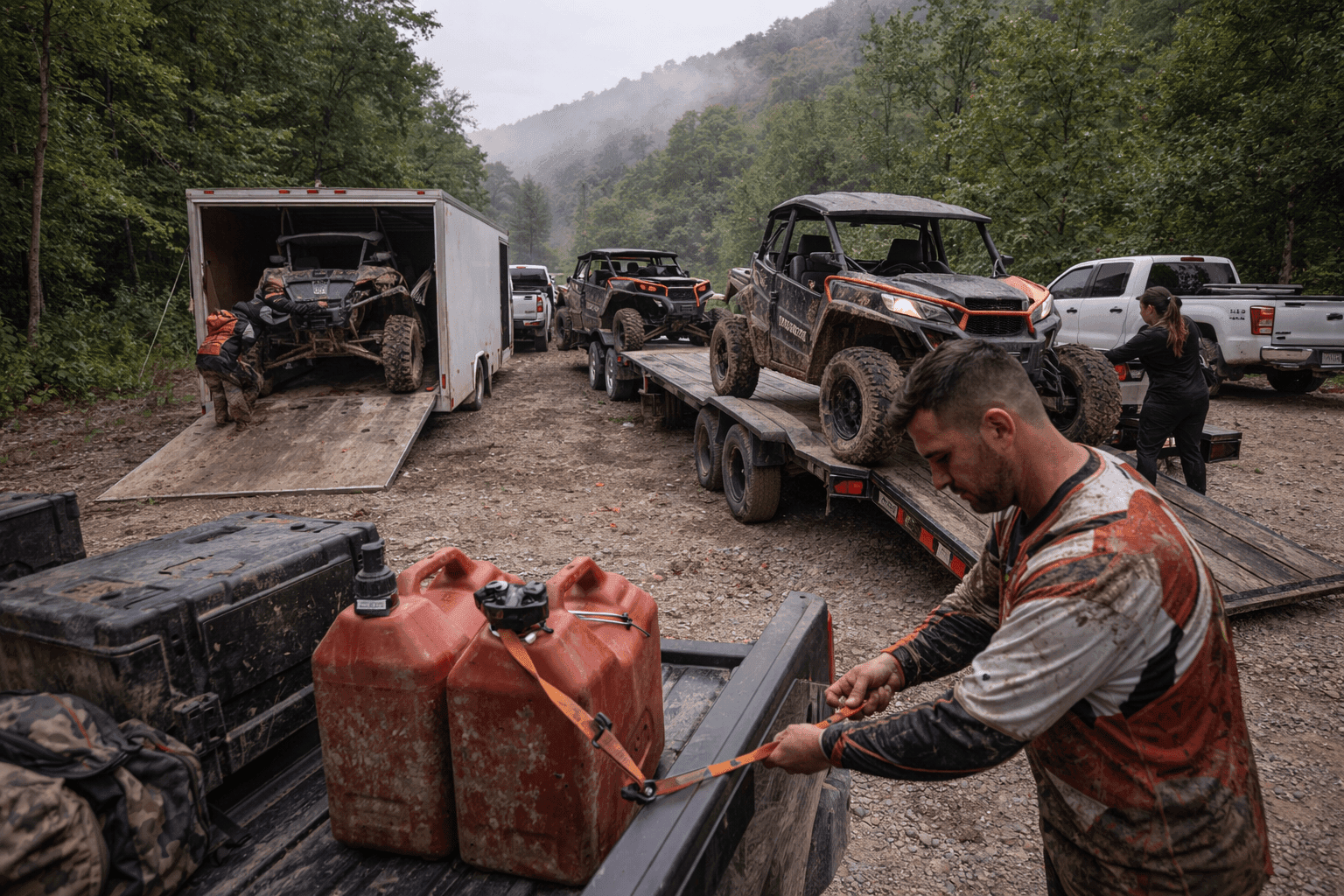
A lot of Wildcat trips fall apart on Sunday because nobody planned for the end of the weekend. Either people try to do too much and feel rushed, or they skip riding entirely because the departure feels chaotic. The best Sunday plan is usually simple: a lighter ride, an earlier lunch, a clean load-out, and a clear departure window.
This keeps the weekend from ending in a scramble. It also leaves the group with a more positive memory because the final hours do not feel stressed.
Planning a clean finish is one of the most overlooked ways to improve the whole trip.
Why Good Planning Leads to Repeat Visits
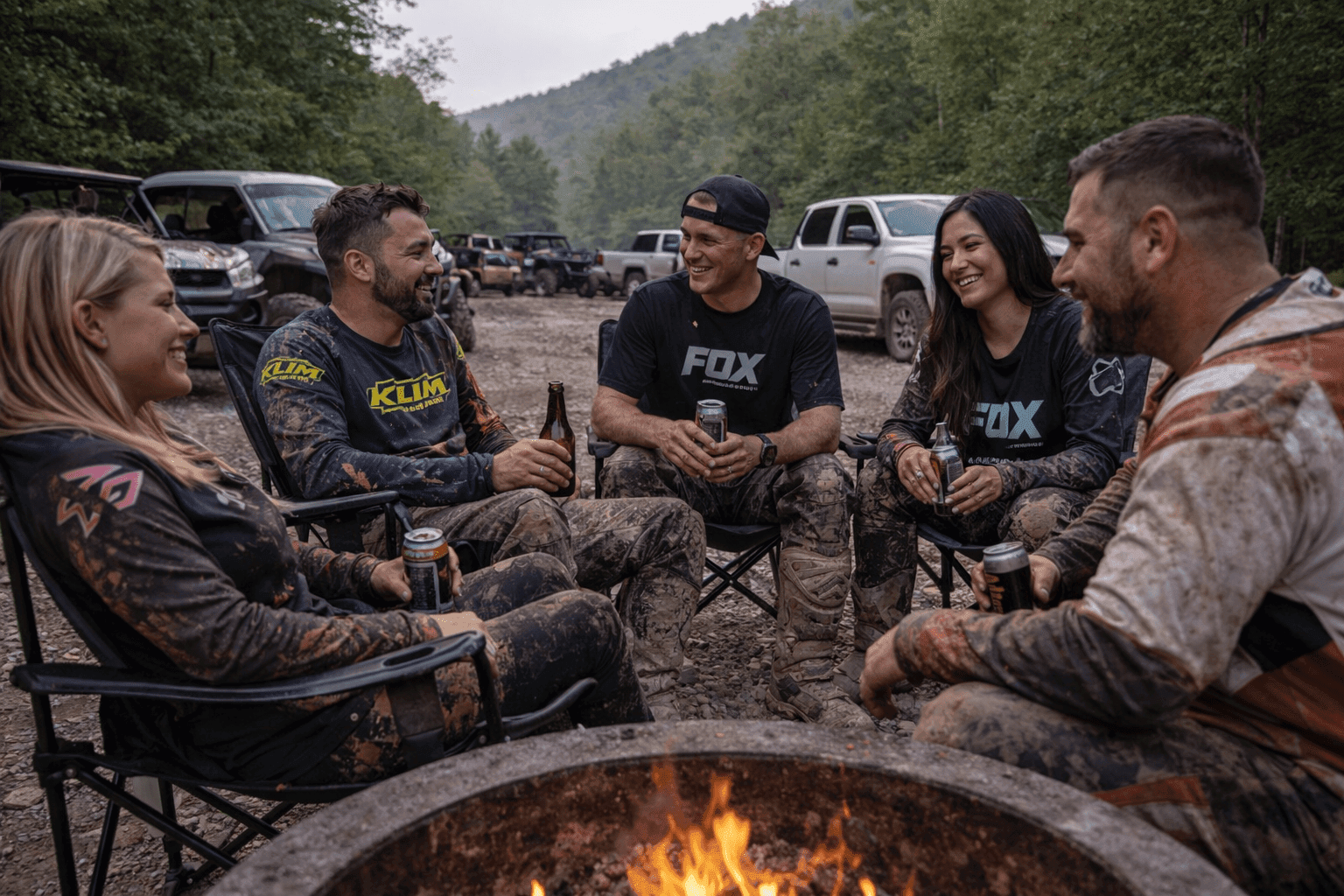
The goal of great trip planning is not to create a perfect spreadsheet. It is to create a weekend that feels so smooth and enjoyable people want to come back. When the crew has a good time, repeat visits become easy to sell.
That matters for your content strategy too. Searchers reading a strong trip planning guide are often exactly the people most likely to book rider lodging. They are already thinking through logistics, comparing options, and imagining the trip.
A great guide turns that planning energy into action.
Final Thoughts
Wildcat Off-Road Park is more fun when the weekend is built intentionally. Pick the right group, set the right expectations, think through Friday arrival, make Saturday manageable, keep Sunday simple, and choose lodging that supports the ride. That combination creates the kind of Wildcat trip riders talk about long after they leave Laurel County.

Should You Stay at Wildcat Off-Road Park or in a Cabin Nearby? 11 Things Most Riders Don’t Consider
Should You Stay at Wildcat Off-Road Park or in a Cabin Nearby? 11 Things Most Riders Don’t Consider If you’re planning a trip to Wildcat
Best Trails at Wildcat Off-Road Park
Best Trails at Wildcat Off-Road Park The best trails at Wildcat Off-Road Park are not only about difficulty. They are about experience. A great Wildcat
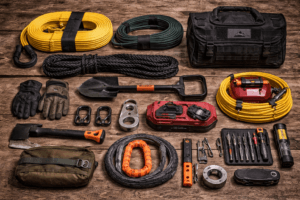
What to Pack for a UTV Trip to Wildcat
What to Pack for a UTV Trip to Wildcat Off-Road Park Packing for a UTV trip to Wildcat Off-Road Park is not about bringing everything
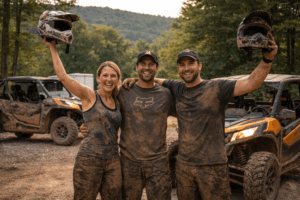
Wildcat Off-Road Park Beginner Guide
Wildcat Off-Road Park Beginner Guide Wildcat Off-Road Park can be a great place for beginners if the first trip is approached the right way. The
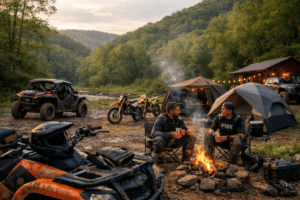
The Ultimate Wildcat Off-Road Park Trip Planning Guide
The Ultimate Wildcat Off-Road Park Trip Planning Guide A good Wildcat Off-Road Park trip rarely happens by accident. The best weekends come from smart planning
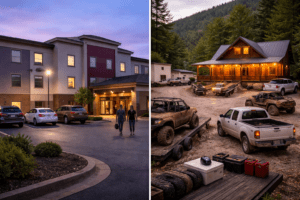
Where to Stay Near Wildcat Off-Road Park
Where to Stay Near Wildcat Off-Road Park Where you stay near Wildcat Off-Road Park has a bigger effect on the trip than most first-time visitors